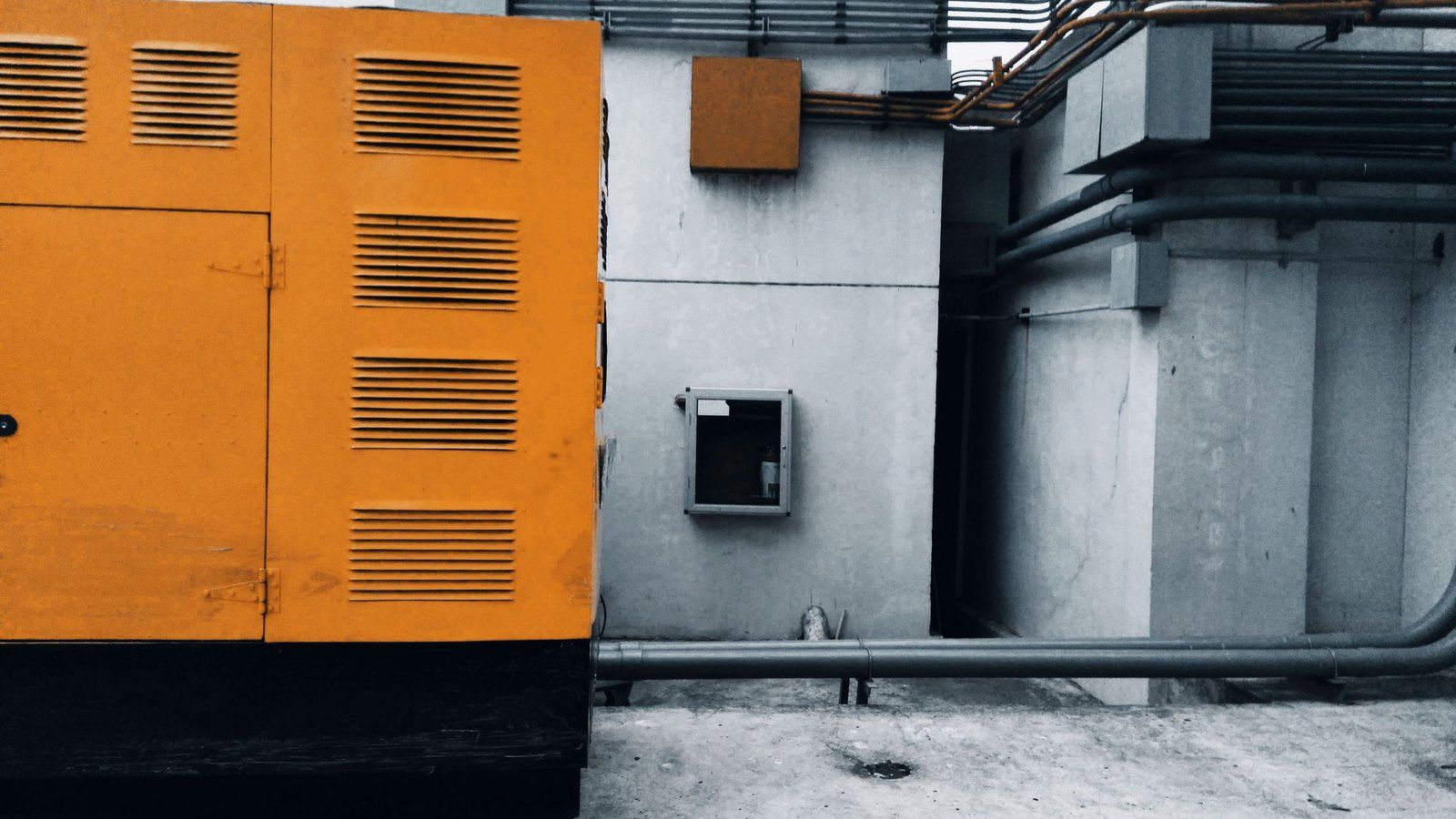
Sizing backup power without being wrong by a factor of two
A measured load balance costs four weeks. Estimated from nameplates, it almost always leads to oversizing — and oversizing is paid for twice.
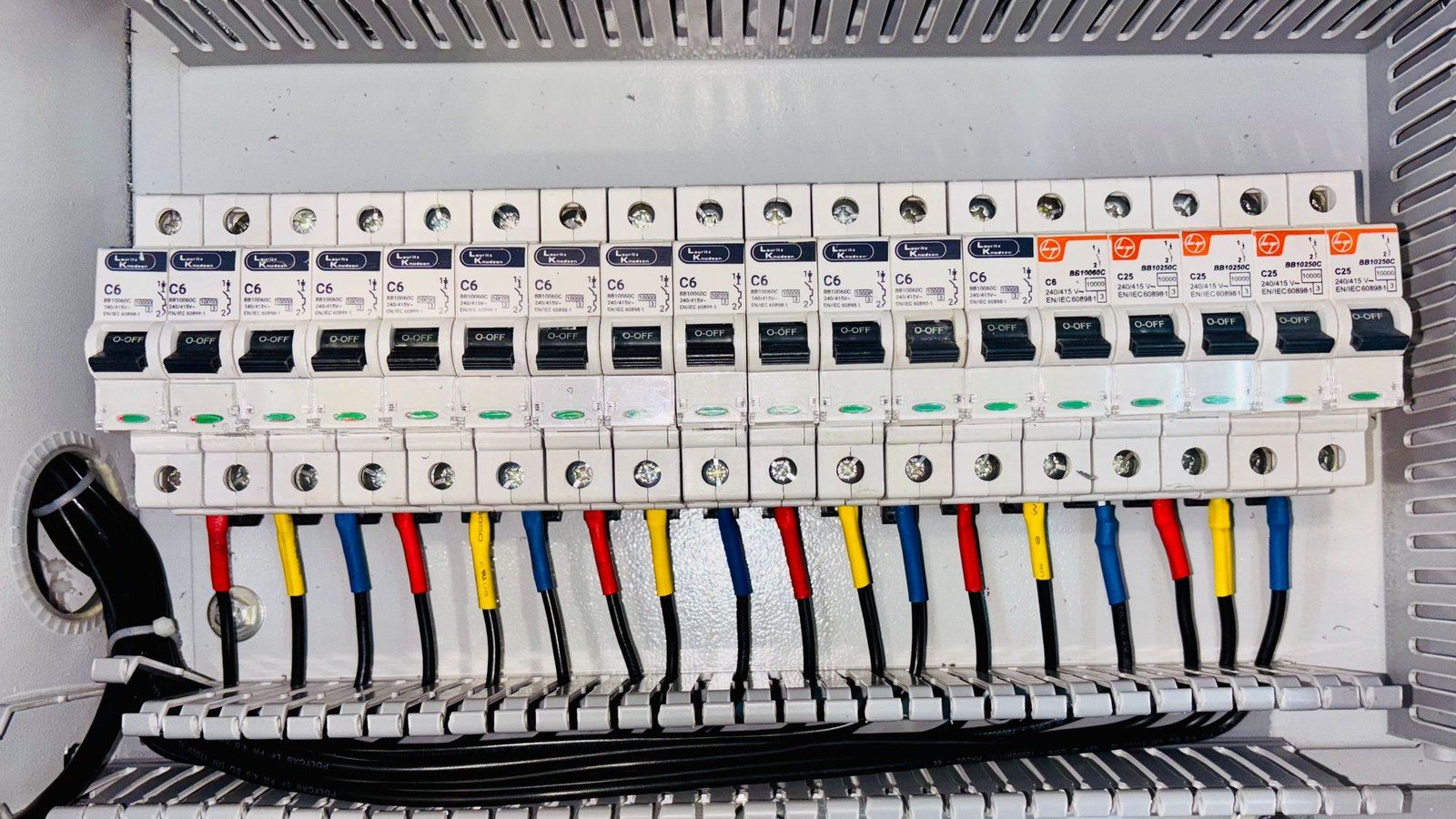
A badly sized generator does not announce itself on the day it is commissioned. It announces itself three years later, through abnormal consumption, premature fouling and a maintenance bill nobody planned for. In most cases the cause goes back to a decision taken in a few hours at the start of the study: add up the ratings printed on the nameplates of the equipment to be backed up, add a margin, and order.
What the nameplate does not tell you
A nameplate carries a nominal rating: what the device can draw in the worst admissible case. It says nothing about what it actually draws, nor about the likelihood of every device reaching that worst case at the same moment. On a commercial site, the gap between the sum of the nameplates and the measured demand commonly exceeds a factor of two.
Three factors explain the gap. The first is load factor: a server whose power supply is rated at 800 W rarely draws more than 300 in normal operation. The second is diversity: air conditioning, compressors and pumps do not start together, and when they do, the peak lasts a few seconds. The third is the nature of the load: the inrush current of a motor or a switched-mode supply is handled by sizing the alternator, not by adding kilowatts.
What a measurement changes
A power logger left four weeks on the main board produces a curve. That curve gives average demand, the real peak, its duration and how demand is distributed across the day. It makes it possible to separate what must be backed up from what can be shed, and to size the replacement source on the first of those two sets.
Four weeks is enough because it covers a complete operating cycle, including the busiest days. Below that, the survey risks missing the peak; beyond it, nothing further is learned.
Oversizing is paid for twice
The first time at purchase, which is visible. The second in operation, which is less so. A generator running for long periods below 30 % of its rating never reaches operating temperature. Unburnt fuel accumulates, the rings foul, and the engine loses in efficiency what the sizing claimed to give it in reserve. The remedy is periodic load testing with a load bank: an additional service nobody budgeted for.
Conversely, a correctly sized generator, with a growth allowance that is defined and documented, runs within its efficiency range, consumes what was expected, and ages as its manufacturer says it will.
Growth allowance is a decision, not a margin
Extension must be provided for. But a growth allowance is calculated from an identified project — an extra floor, a server room, a production line — not by arbitrarily adding 30 %. Where the project does not yet exist, the right answer is often to provide the space, the base and the protection for a second unit, rather than buying an oversized machine straight away.
What to ask your integrator for
Three documents are enough to judge the quality of a sizing study: the measured load curve, with its dates; the list of loads classified as critical or sheddable, validated by the operator; and the growth-allowance calculation, tied to a named project. A study that does not produce those three is not a study, it is a quotation.