A backup link sharing the same duct backs up nothing
The redundancy of an access circuit is judged on the physical route of the cable and on the identity of the carrier, not on the number of contracts signed.
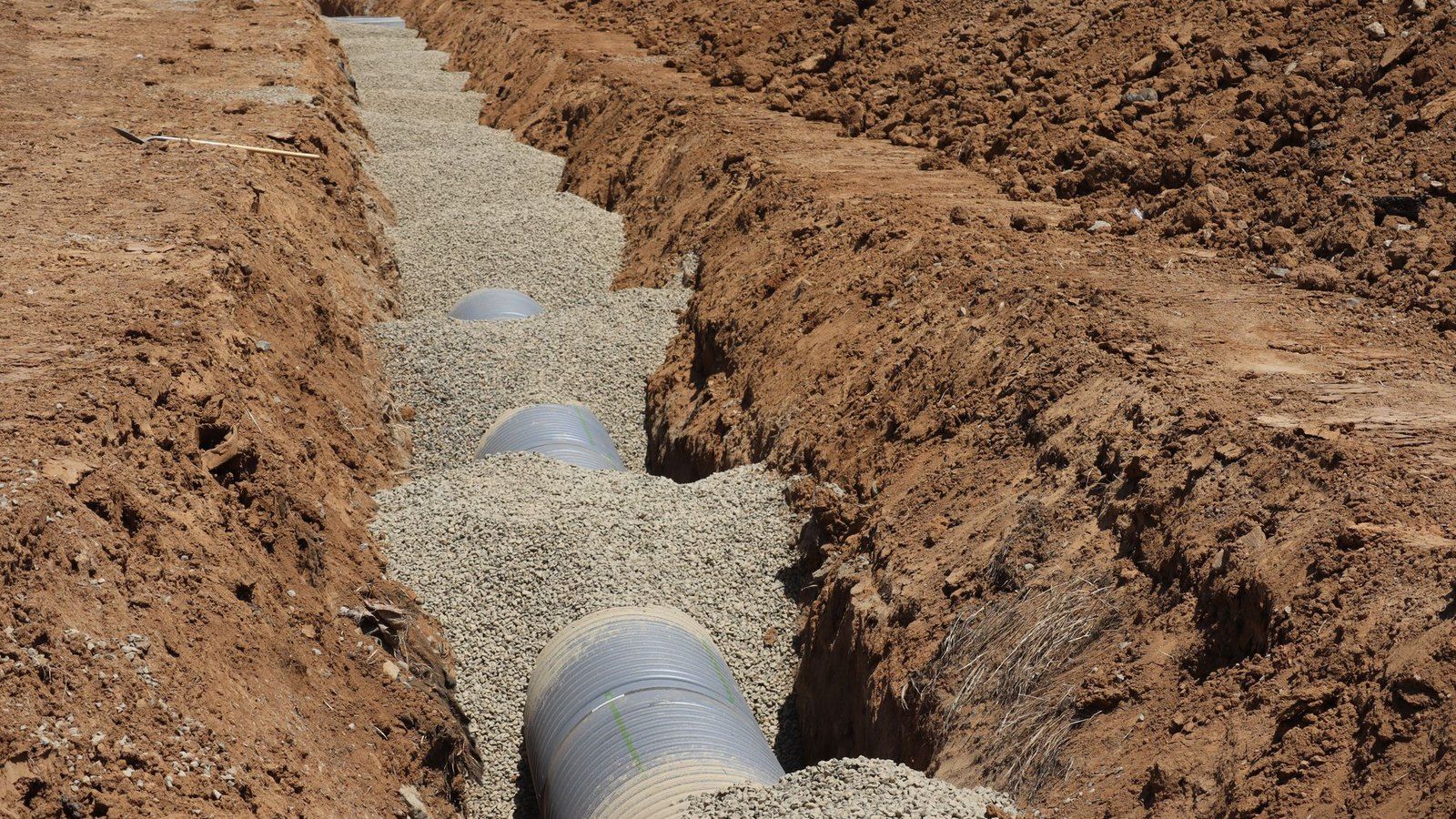
Two access contracts, two invoices, two service numbers. On paper the site has a primary link and a backup link. The day an excavator cuts a duct three kilometres away, both go down together, and nobody understands why four years of paid redundancy failed to work.
What is shared without anyone knowing
A backup circuit is supposed to fail for reasons other than those that bring down the primary. That independence has to hold at four levels, and it is lost at any one of them.
The physical route comes first. Two fibres delivered by two distinct operators frequently run through the same duct, on the same poles, through the same building entry point. Shared civil works are the rule rather than the exception, and they are invisible from the contract.
The second is the infrastructure operator. A reseller owns no network: it buys capacity from someone who does. Two different commercial suppliers may rest on the same carrier, in which case a carrier fault interrupts both services at once.
The third is power. A redundant link whose two terminal units are fed from the same board, without a UPS, drops at the first outage. This is the most common case and the cheapest to correct.
The fourth is configuration. Two working links produce continuity only if a failover mechanism exists, has been tested, and the dependent services tolerate the convergence time.
What to ask for, and from whom
The physical route is requested from the operator, in writing, as a route plan or a diverse-path undertaking. Some provide it; others decline, which is itself information. An operator who cannot attest to route diversity is not selling redundancy, it is selling a second subscription.
The identity of the carrier is requested the same way. The question fits in one sentence: which transport infrastructure does this service rest on, and is it the same one that carries the service already in place?
The case of remote sites
At a mining site, a border post or a technical station far from any urban centre, wireline route diversity often does not exist. There is one axis, and it is unique. Redundancy then goes through a support of a different nature — microwave link, satellite circuit — whose bandwidth and latency bear no comparison with the primary.
That asymmetry has to be settled before commissioning, not discovered during the incident. The applications that must keep running on the degraded link are identified, and so are those that will stop. A backup that has never carried the real load is a hypothesis, not a facility.
What to require
A written diverse-path attestation, from the exchange to the building entry point. The identity of the infrastructure operator for each link. A failover test carried out at acceptance, under load, with the interruption time recorded. And its repetition at a fixed interval: a failover mechanism untested for eighteen months is worth what an extinguisher that has never been inspected is worth.