The number of cameras measures nothing
A video surveillance installation is judged on the chain that runs from detection to decision. The number of viewpoints is only one parameter, and rarely the binding one.
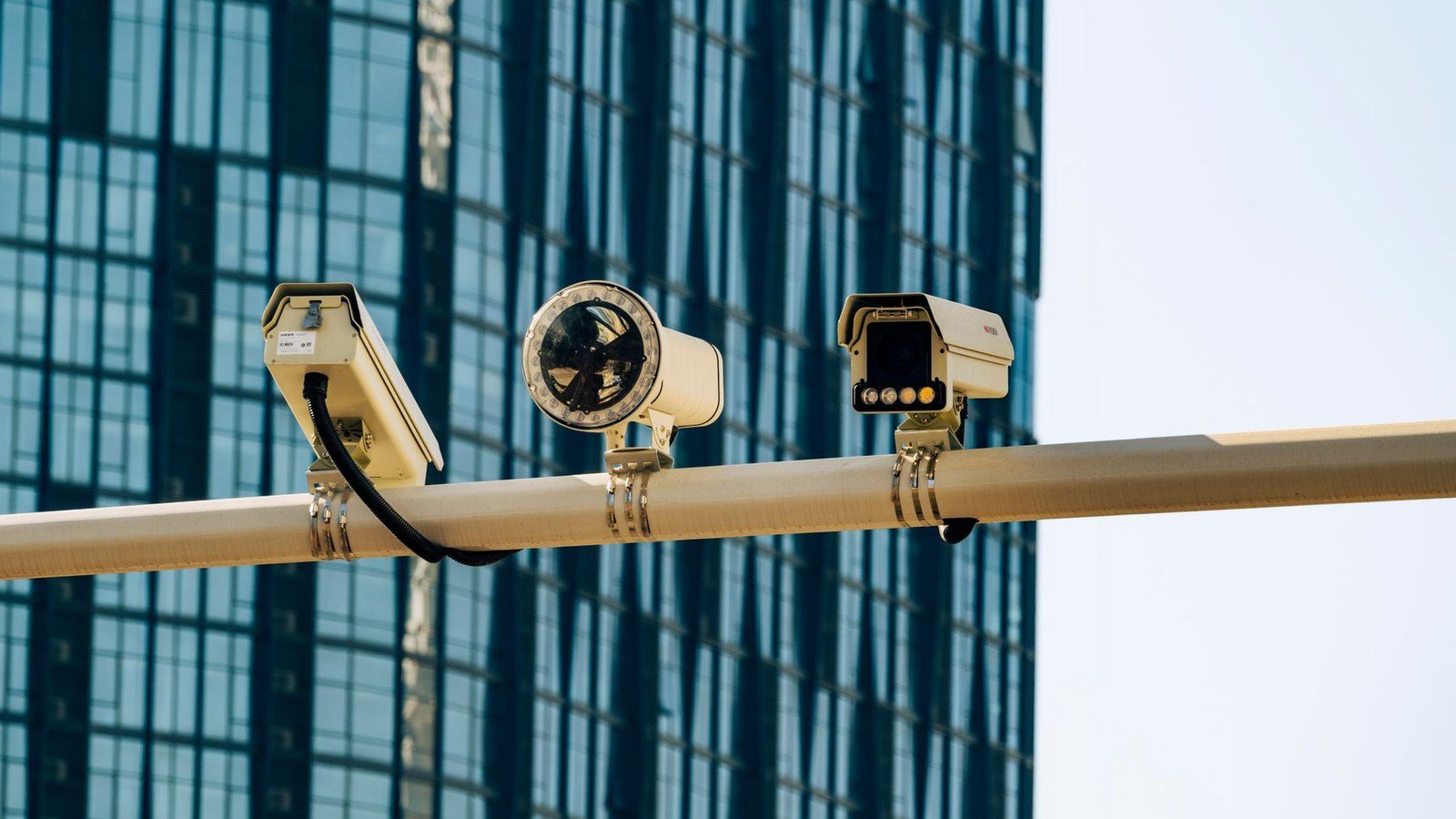
The first question asked in a video surveillance tender is almost always about the number of cameras. It is the easiest quantity to compare between two offers, and the one that says least about what the installation will actually give the site.
What a camera does not do
A camera records. It does not detect, it does not alert, it does not decide. An installation of a hundred cameras whose images are watched only after an incident does not produce security: it produces evidence, which is a different service and answers a different need.
The chain that protects has four links. Detection signals a deviation. Qualification establishes whether it is a real event. Decision determines the response. Intervention carries it out. A camera serves the second link. It serves the first only if an analytic or an operator is watching at the moment the event occurs.
The three parameters that matter more
Useful field of view. One camera well placed on an unavoidable route replaces three spread along a façade. The design work consists of identifying those points, not of distributing viewpoints evenly.
Retention period. It determines whether the recording is still there on the day the event is looked for. An incident noticed on Monday morning at a site closed over the weekend calls for at least four days of retention; the default setting on many recorders is shorter.
The operating instruction. It states who watches, when, what they do on a deviation, and where they record it. Without it, the question “who saw what” has no answer on the day it is asked.
The symmetrical error
Cutting the number of cameras to a bare minimum is no more of a method. Some sites require continuous coverage of a perimeter, and there the binding constraint really is the number of viewpoints. The distinction is made during design, from threat scenarios the client considers realistic, and not from a ratio per linear metre.
What to ask for
A coverage plan stating, for each camera, what it must make possible: detect a presence, recognise a silhouette, identify a person. Those three objectives call for different resolutions, different positions and different lighting. An offer that does not distinguish between them is proposing equipment, not an installation.